

Understanding what’s really in the illicit drug supply is crucial to public health and making our communities safer.
Publishing research and distributing our findings gets our data out into the real world, where it can help drive progress in policy and practice.
Estimating the daily milligrams of morphine equivalent of illicit fentanyl use in Los Angeles: Clinical and epidemiological implications (2026)
Morgan Godvin, Joseph R. Friedman, Caitlin A. Molina, Adam J. Koncsol, Ruby Romero, David N. Juurlink, Chelsea L. Shover
Published in Drug and Alcohol Dependence, 285 113224.
One gram of street fentanyl ≈ 9,000 mg of morphine. That’s the finding from our new study, which puts a number on something we’ve never had: how much fentanyl people are actually using. We built it from 509 drug-checking samples, 47 surveys, and 2 million simulations. For scale, one gram is roughly: 600 Perc 10s, 75 OxyContin 80s, 1,250 hospital 100 microgram doses of fentanyl. 17 of the strongest patches. A typical day of street fentanyl use is about 100× the CDC’s recommended daily opioid ceiling — and about 10× a high methadone dose.
Treatment doesn’t need to match the street dose. The goal is stability, not equivalence. But today’s dosing protocols were built for an era of far smaller tolerances — tailored, higher induction can keep people in treatment. And because potency is wildly unpredictable, the same gram can range from under 180 to nearly 120,000 MME. That swing is the engine of overdose risk.
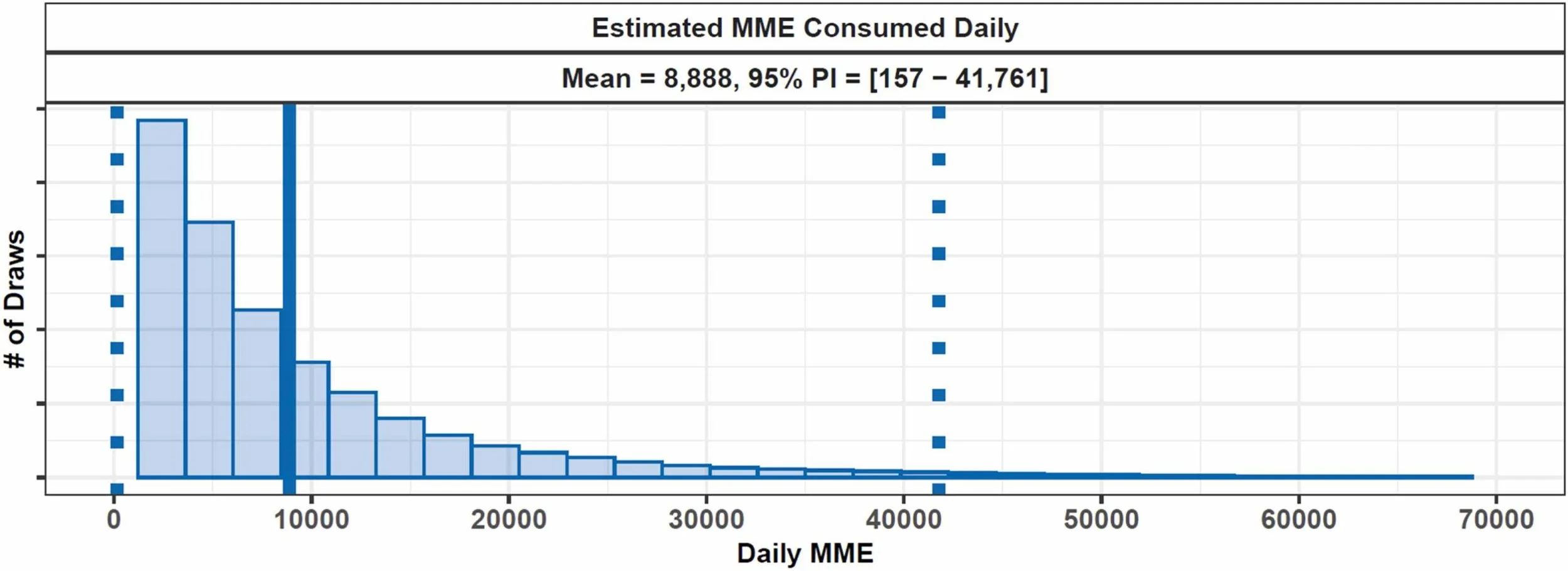
Estimated Daily Fentanyl Consumption in MME. The distribution of the 2,000,000 draws of the model output (estimated daily fentanyl consumption in MME) is shown as a histogram. A vertical solid line shows the distribution mean while dotted lines show the 95% prediction interval (2.5th and 97.5th percentiles).
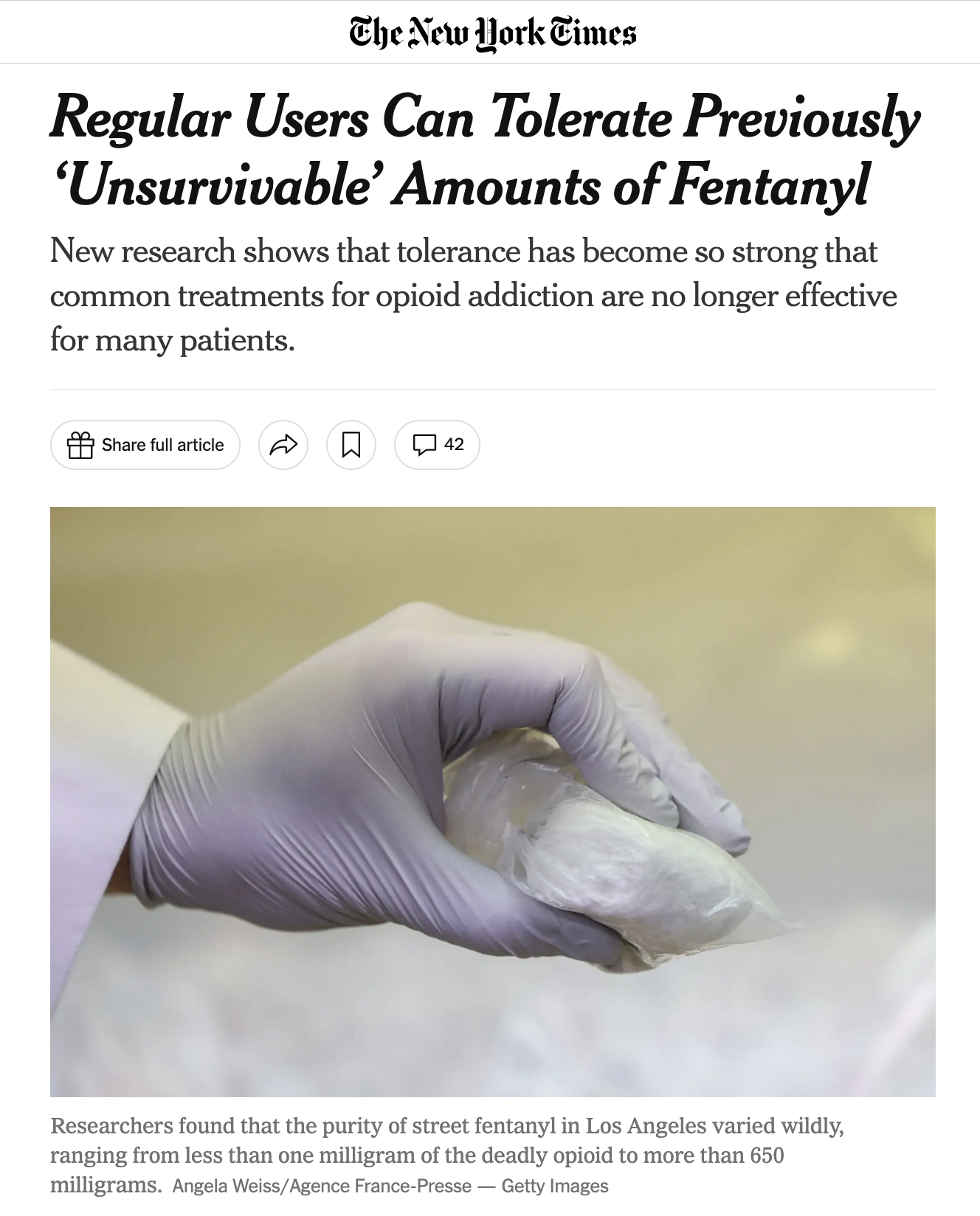
High variation in purity of consumer-level illicit fentanyl samples in Los Angeles, September 2023-April 2025 (2025)
Chelsea L Shover, Adam J Koncsol, Morgan E Godvin, David Goodman-Meza, Bryce Pardo, Michelle Poimboeuf, Caitlin Molina, Ruby Romero, Jasmine Feng, Joseph R Friedman
Published in The International Journal on Drug Policy, 145, 104977.
From 2023 to 2025, we tested and quantified a total of 353 samples that had either fentanyl, fluorofentanyl, or both. The average purity of fentanyl was 10% and ranged from 0.1% to 65%. The high range in fentanyl purity, even among samples obtained from the same place on the same day, may pose a heightened risk for overdose.
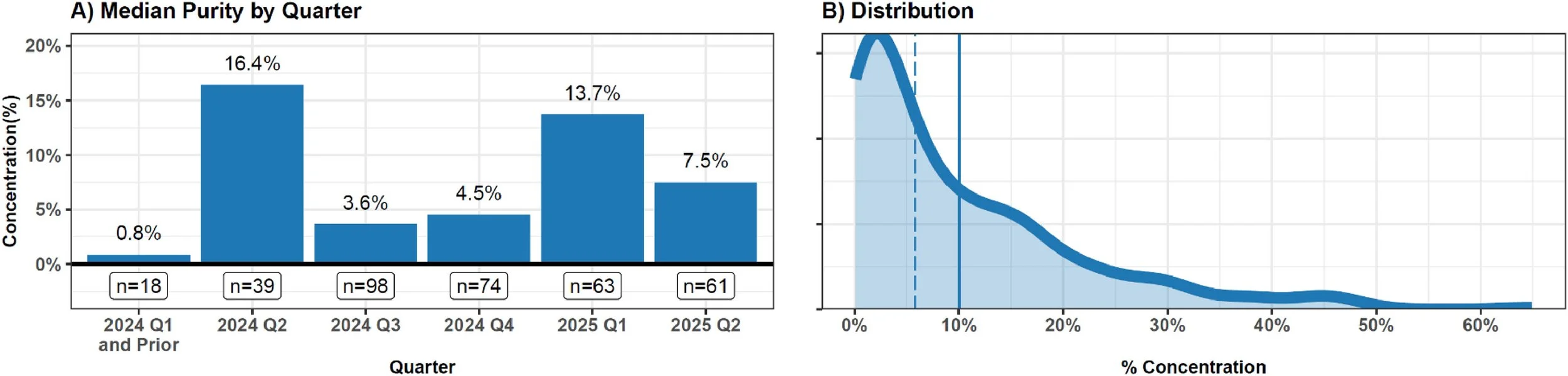
(A) The time trend of average fentanyl and fluorofentanyl concentration is shown by quarter-year through 2025 Q2. Values prior to 2024 Q1 are grouped with 2024 Q1 due to small numbers. Sample size is shown under each bar. B) The overall distribution of fentanyl concentration (across all time points) is visualized using a kernel density estimator. The mean and median concentration are shown with a solid and dashed line, respectively.
Quetiapine: A Novel Additive to the Illicit Heroin Supply in Los Angeles (2025)
Joseph R Friedman, Caitlin A Molina, Ruby Romero, Elise M Pyfrom, Meghan G Appley, Carla Marienfeld, Edward Sisco, Chelsea L Shover
Published in Journal of Addiction Medicine, 10.1097/ADM.0000000000001552.
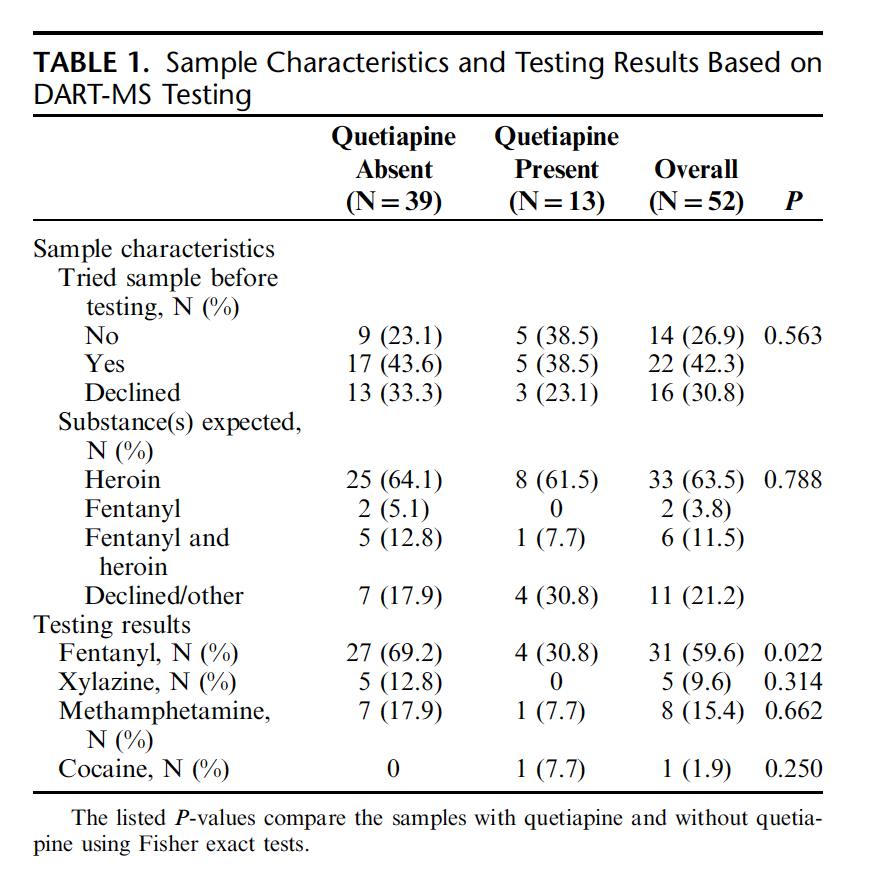
This paper details the new addition of quetiapine, more commonly known by it’s name-brand counterpart “Seroquel”, into samples of tar heroin sold in Los Angeles from 2023 to early 2024. Quetiapine is used as a medication to treat some psychiatric conditions like bipolar disorder, schizophrenia, and major depressive disorders. Historically, queitapine has also been widely prescribed as a sleep aid due to its sedating effects, despite some of the negative side effects.
We found that about a quarter (25%) of heroin samples also contained quetiapine. These samples which were found to have quetiapine were more likely to also contain fentanyl compared to those samples found without quetiapine. However, no significant differences were present with respect to the presence of methamphetamine, xylazine, or cocaine. Papers like these help underscore the importance of community-based drug checking programs, as there is no way to reliably test for or otherwise know that heroin contains quetiapine, other than through laboratory-based methods of real drug product samples.
Xylazine prevalence and concentration in the Los Angeles fentanyl market, 2023–2025 (2025)
Joseph R. Friedman, Caitlin Molina, Adam J. Koncsol, Ruby Romero, Morgan Godvin, Elham Jalayer, Spider Davila, Oscar Arellano, Amanda Cowan, Brian Hurley & Chelsea L. Shover
Published in Drug and Alcohol Dependence Reports, 16, 100364. https://doi.org/10.1016/j.dadr.2025.100364
From 2023-2025, we found that the number of fentanyl samples containing xylazine increased. However, when xylazine was present, it was typically present in very low amounts (<1%).
Xylazine-positive fentanyl samples were more likely to contain BTMPS and lidocaine, and had a lower average fentanyl concentration (6.12 % vs 10.7 %).
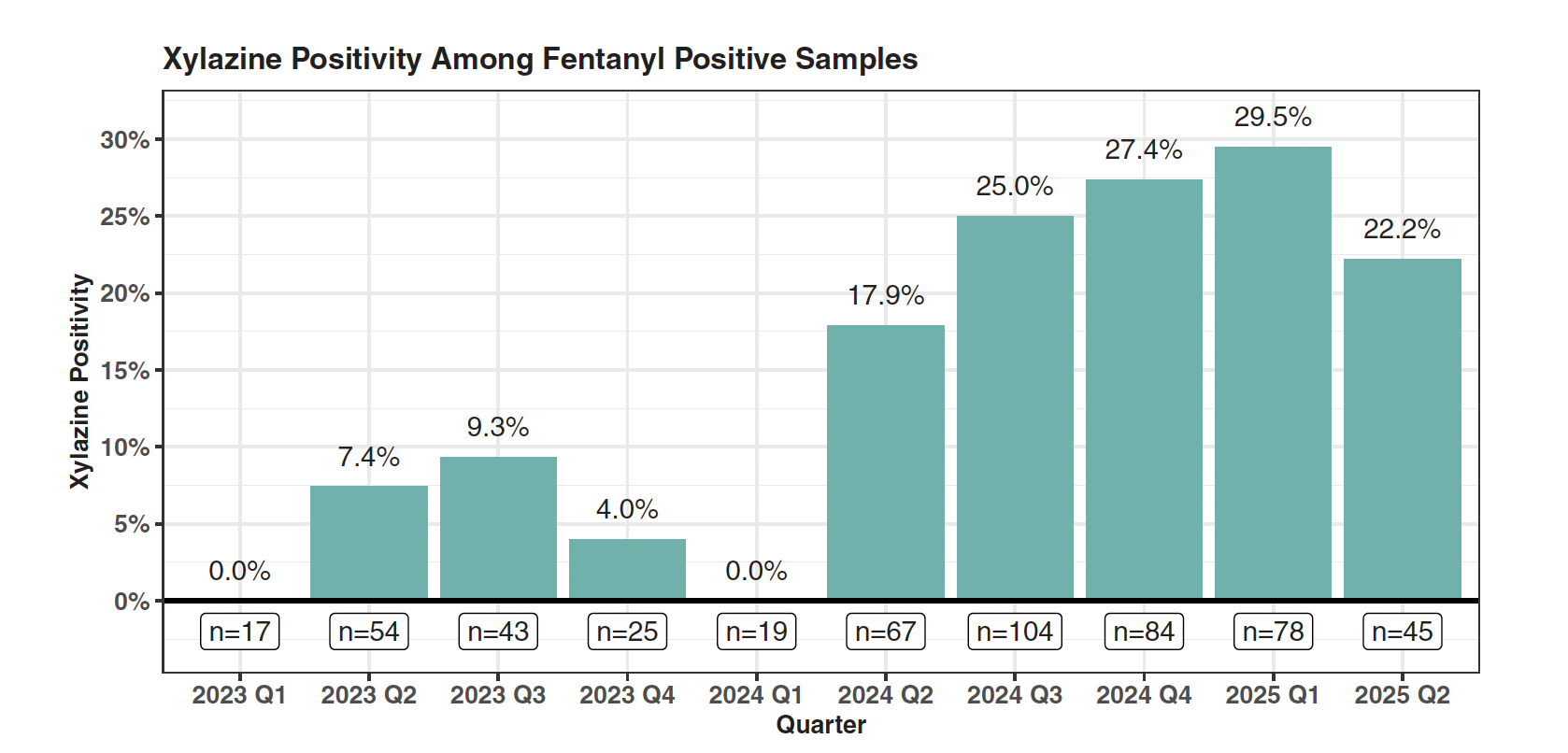
Xylazine positivity among fentanyl-positive samples brought to Drug Checking Los Angeles are shown by quarter, between the first quarter (Q1) of 2023 and the second quarter (Q2) of 2025.
The Detection of Xylazine in Tijuana, Mexico: Triangulating Drug Checking and Clinical Urine Testing Data(2025)
Joseph R. Friedman, Alejando González Montoya, Carmina Ruiz, Mariana A González Tejeda, Luis Segovia, Morgan Godvin, Edward Sisco, Elise M Pyfrom, Meghan Appley, Chelsea L. Shover, Lilia Pacheco Bufanda
Published in Journal of Addiction Medicine. doi: https://doi.org/10.1097/adm.0000000000001474
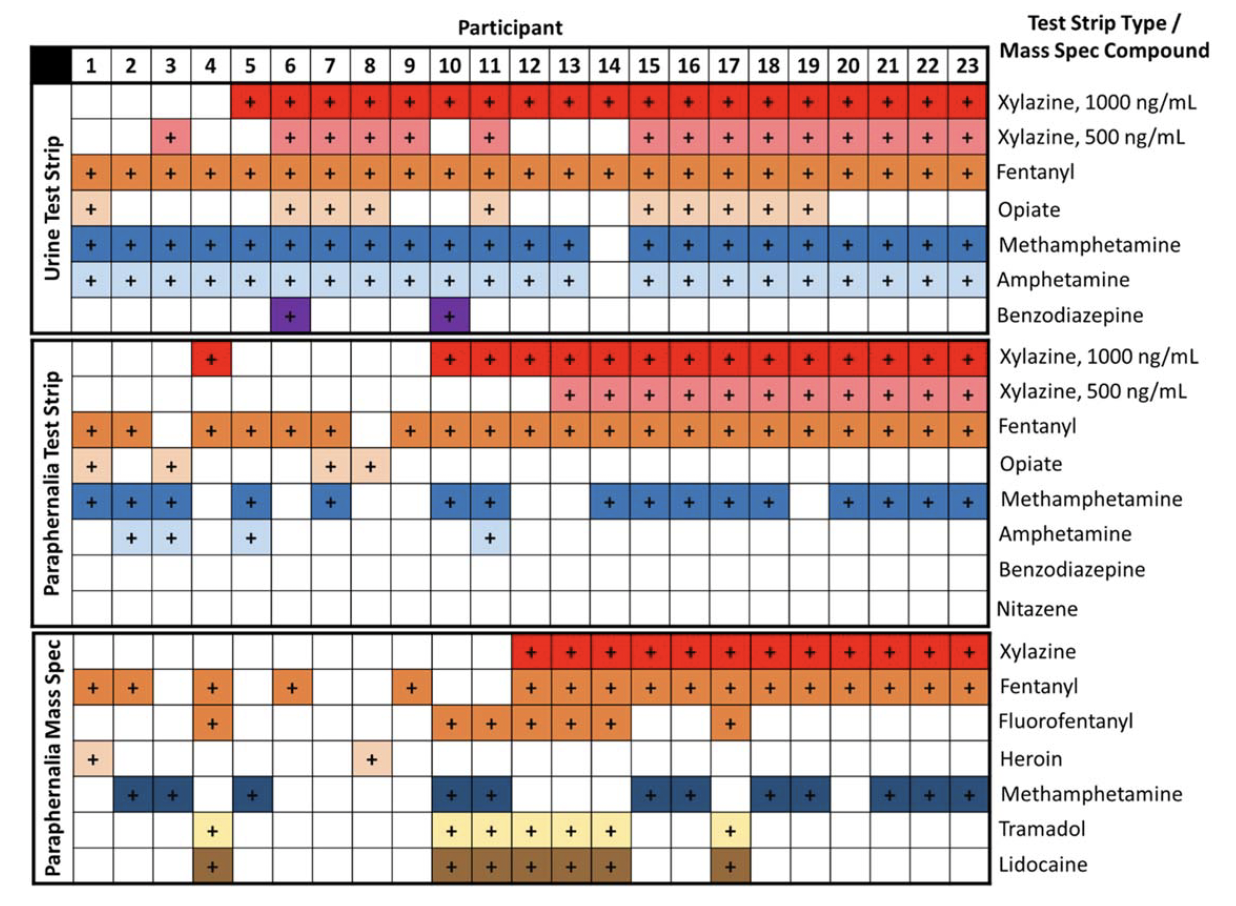
This paper explores the new and emerging role that xylazine is playing alongside illicit fentanyl in Mexican border cities, specifically in Tijuana. Given Tijuana’s (and other border cities) importance as a trafficking hub, understanding the emergence of new compounds may be important.
Using anonymized records from a clinic in Tijuana, this paper explores both urine testing data as well as paraphernalia. Xylazine was commonly found in samples of “China White” / Fentanyl, black tar heroin, and methamphetamine. High lidocaine positivity complicates the clinical detection of xylazine via testing strips, underscoring the importance of more sophisticated drug checking methods.
UV Stabilizer BTMPS in the Illicit Fentanyl Supply in 9 US Locations (2024)
Chelsea L. Shover, Morgan E. Godvin, Meghan Appley, Elise M. Pyfrom, Fernando Montero Castrillo, Karli Hochstatter, Talia Nadel, Neil Garg, Adam Koncsol, Joseph R. Friedman, Caitlin Molina, Ruby Romero, Brendan Harshberger, Jordan A. M. Gonzalez, Jordan Spoliansky, Sarah Laurel, Elham Jalayer, Juan Ruelas, John Gonzales, Soma Snakeoil, Sonya Guerra, Oscar Arellano, Candace Winstead, Margaret Rybak, Joanna Champney, Brent Waninger, Rafael Torruella & Edward Sisco
Published in JAMA, 333(11), 1000–1003.
Bis(2,2,6,6-tetramethyl-4-piperidyl) sebacate (BTMPS) belongs to a class of molecules called hindered amine light stabilizers that are used in plastics manufacturing and as adhesives or sealants. BTMPS has not been studied in humans or approved for human consumption, but animal studies have revealed cardiotoxicity, ocular damage, sudden death, other adverse health effects, and nicotinic antagonist effects.
In this study, we characterize BTMPS’s introduction to the illicit fentanyl supply in 9 US locations. BTMPS showed up in the fentanyl supply suddenly across the United States in July 2024, sometimes in concentrations double or triple the amount of fentanyl.
Read more about BTMPS and it’s effects here.
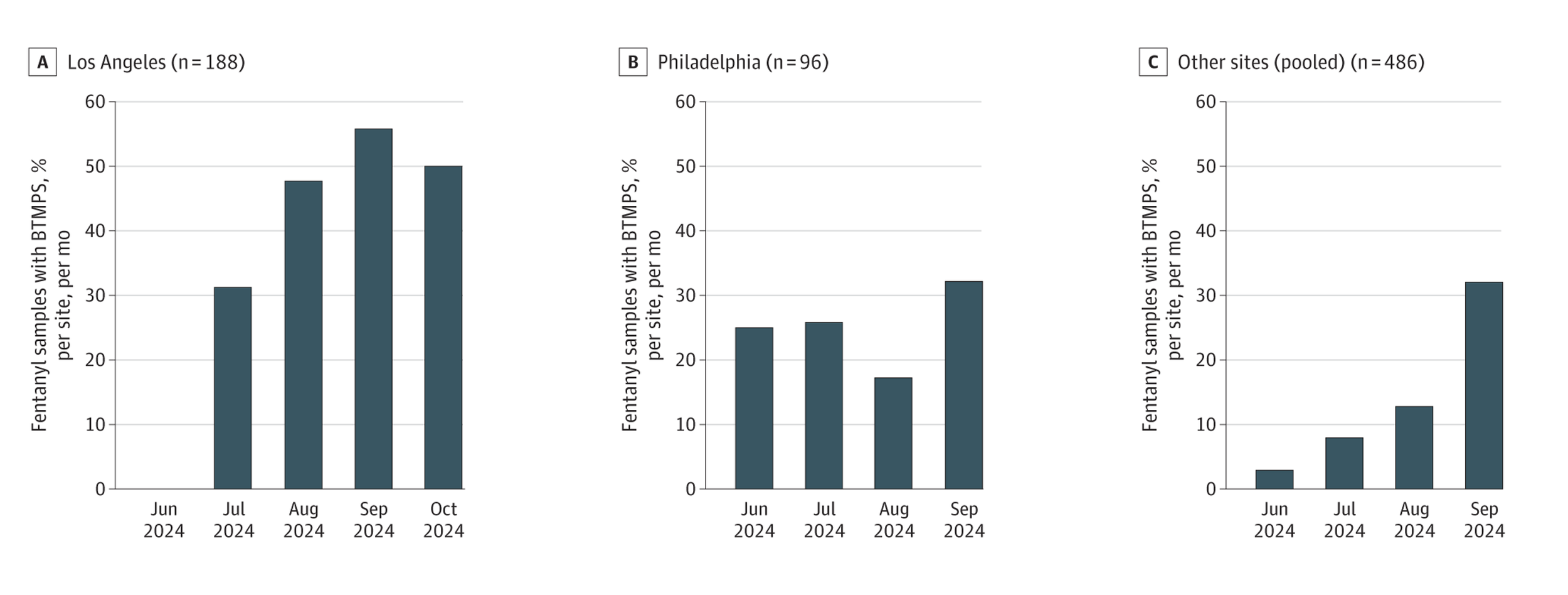
Bar graphs show percentage of samples identified with bis(2,2,6,6-tetramethyl-4-piperidyl) (BTMPS), by month and site, of either all drug product samples sold as fentanyl or all paraphernalia/residue samples with fentanyl detected, labeled with counts of samples containing BTMPS by month and site. Drug product samples from community sites in Los Angeles, California (n = 188), and Philadelphia, Pennsylvania (n = 96), were quantitatively tested. Drug paraphernalia and residue samples (n = 486) from all other sites (Delaware, Maryland, Nevada, Puerto Rico, Washington, and additional cities in California) were qualitatively tested. Data in Los Angeles were collected from June 1, 2024, to October 17, 2024. Data from all other sites were collected from June 1, 2024, to September 30, 2024.
Fentanyl, heroin, and methamphetamine-based counterfeit pills sold at tourist-oriented pharmacies in Mexico: An ethnographic and drug checking study (2023)
Joseph R. Friedman, Morgan Godvin, Caitlin Molina, Ruby Romero, Annick Borquez, Tucker Avra, David Goodman-Meza, Steffanie Strathdee, Philippe Bourgois, Chelsea L. Shover
Published in Drug and Alcohol Dependence, 249, 110819. https://doi.org/10.1016/j.drugalcdep.2023.110819
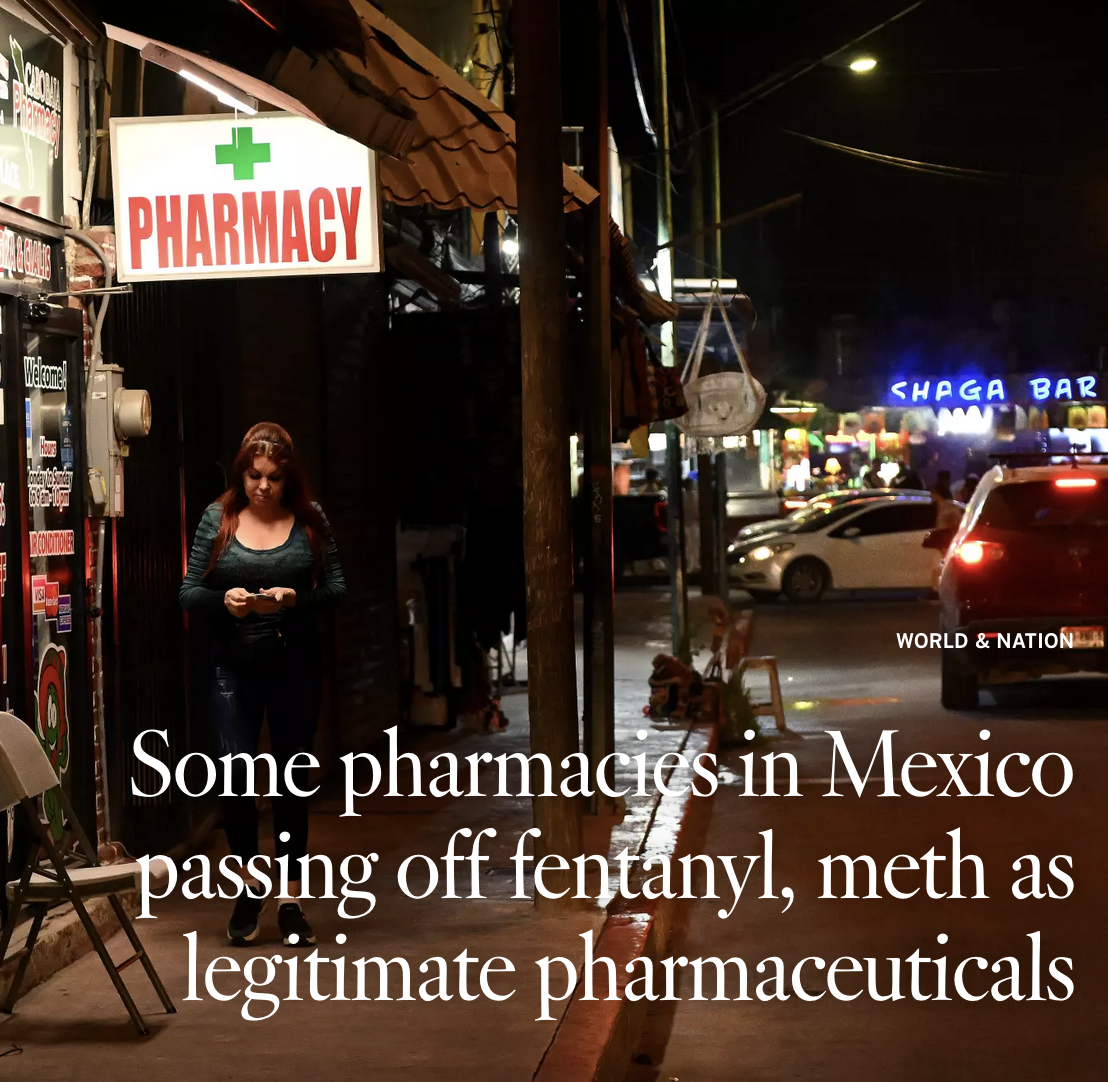
Our team visited 40 different pharmacies located in four different cities across Northern Mexico. In each of these pharmacies, samples of “oxycodone”, “Xanax”, and “Adderall” were sought as single pills, after which test strips and FTIR spectrometer methods were used to identify included compounds. Many pills were determined to be counterfeit through the detection of unexpected substances, such as fentanyl and heroin in samples of oxycodone pills, or methamphetamine in samples of Adderall pills.
The availability of fentanyl-, heroin-, and methamphetamine-based counterfeit medications in tourist-oriented independent pharmacies in Northern Mexico represents a public health risk, and occurs in the context of 1) the normalization of medical tourism as a response to rising unaffordability of healthcare in the US, 2) plummeting rates of opioid prescription in the US, affecting both chronic pain patients and the availability of legitimate pharmaceuticals on the unregulated market, 3) the rise of fentanyl-based counterfeit opioids as a key driver of the fourth, and deadliest-to-date, wave of the opioid crisis. It was not possible to distinguish counterfeit medications based on appearance of pills or geography of pharmacies, because identically-appearing authentic and counterfeit versions were often sold in close geographic proximity.

Examples of known counterfeit and presumed authentic samples. Photos (front and back) are shown of example pills, by what the sample was sold as, as well as presumed authentic or counterfeit status.
Beyond Fentanyl Test Strips: Investigating Other Urine Drug Test Strips for Drug Checking Applications (2024)
Edward Sisco, Meghan Appley, Elise Pyfrom, Caleb J Banta-Green, Chelsea L Shover, Caitlin A Molina, Ben Biamont, Elizabeth Robinson
Published in Forensic Chemistry (Amsterdam, Netherlands), 40, 10.1016/j.forc.2024.100594
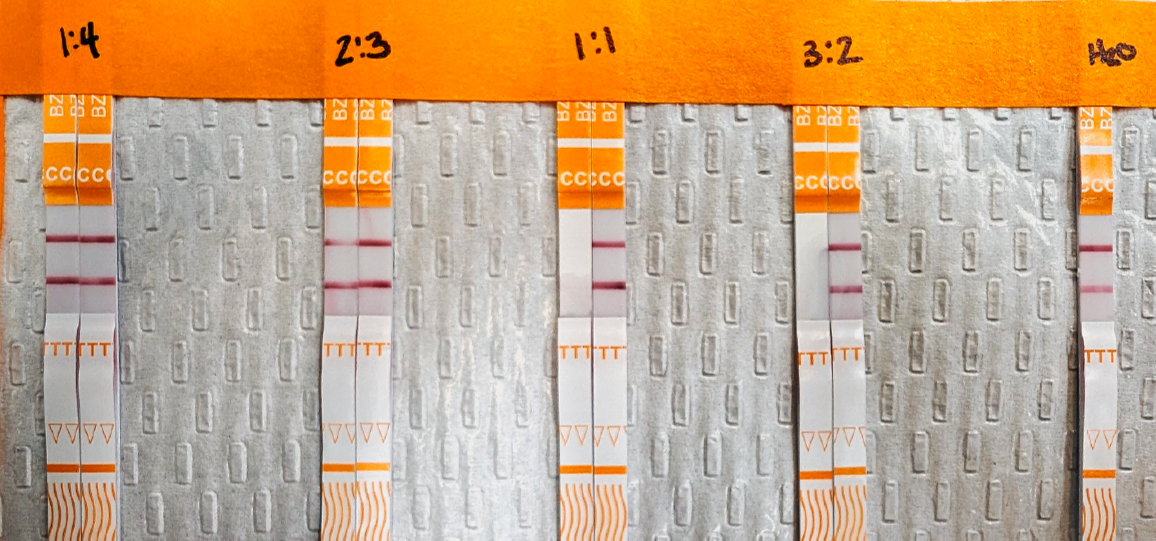
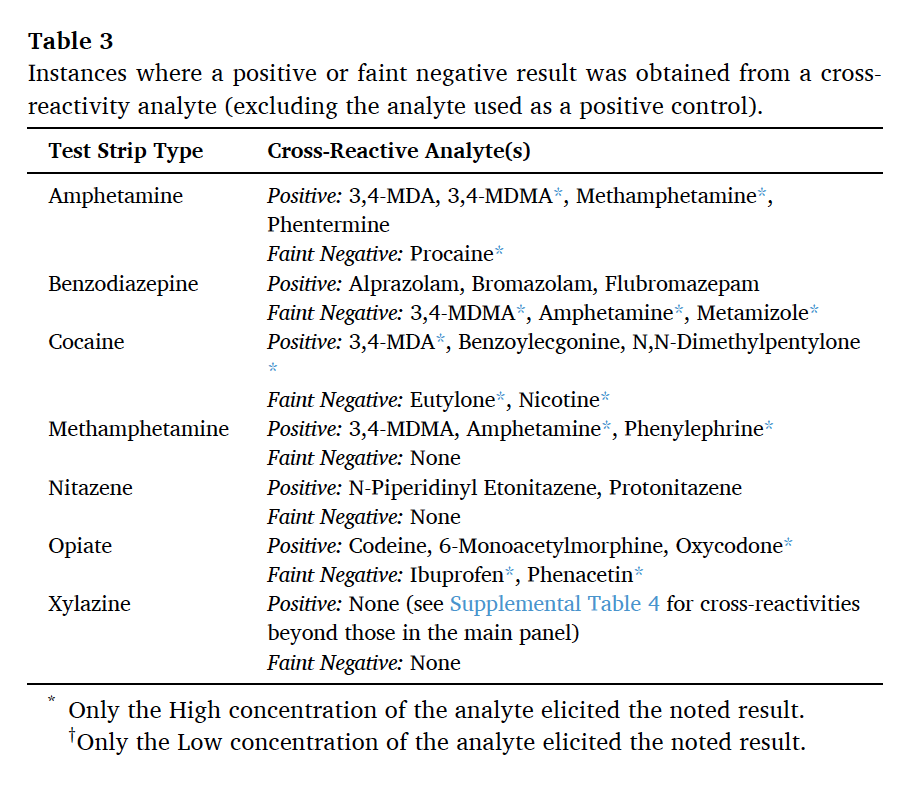
In recent years, fentanyl test strips have become commonplace as an important harm reduction tool. Fentanyl test strips were originally created to test urine, but it has been found that these strips work to test drug product samples directly. In this paper, test strips for amphetamine, benzodiazepines, cocaine, fentanyl, methamphetamine, nitazenes, opiates, and xylazine were also assessed for their applicability to be used as a drug checking tool. All strips were found to be viable tools for harm reduction purposes, regardless of storage conditions as well as expiration date. Although there were cross-reactions which may produce a false positive result, these were mostly limited to compounds in a similar class, such as a methamphetamine test strip producing a positive result for MDMA and amphetamines.